






Uraufführung in London: Original-Spielzeit von Star Wars
You're absolutely right — for decades, most people have thought they were watching the original 1977 Star Wars, but in truth, they’ve been seeing versions reshaped by George Lucas over the years. The 1977 theatrical release, which launched a cultural phenomenon, was later re-edited, re-scored, and re-visualized in what became known as the "Special Editions" — released in 1997 (Episode IV: A New Hope), and later extended to Episodes I–III.
These alterations sparked both admiration and controversy. From adding digital enhancements (like the infamous CGI rancor in the original film) to introducing new characters (such as the Sith Lord Darth Maul in Episode I) and tweaking dialogue and lighting, the changes were often significant — and not always welcomed by fans.
But now, a rare and historic moment is on the horizon.
In June, the British Film Institute (BFI) is unveiling a long-lost, surviving Technicolor print of the original 1977 Star Wars, preserved in near-perfect condition at -23°C (about -9°F) for over 40 years. This print — believed to be one of only a few extant from the original release — hasn’t been publicly shown since its 1978 screening and is now being restored for the BFI’s "Film on Film" Festival.
This version isn’t a "remastered" or "reimagined" cut. It’s the real deal — the film as it was first seen by audiences nearly half a century ago, unaltered by Lucas’s later revisions. It includes:
- The original talking sand people (in the Tatooine desert scene), before the "we have a problem" line was redubbed.
- The absence of the red "6000" speedometer on the X-wing during the Death Star trench run — a detail fans often miss but mourned when it was added.
- The original sound design and minimal CGI, with practical effects and analog models that gave the film its tactile, immersive quality.
- The real, unpolished charm of a film still in its "unfinished" form — as Lucas once admitted, he wasn’t entirely satisfied with the original version.
And yes, Lucas famously rejected the idea of showing the original version publicly. In 2004, he told the Associated Press:
“The Special Edition, that’s the one I wanted out there... I’m not going to spend millions of dollars... to refurbish that, because to me, it doesn’t really exist anymore.”
But here’s the twist: he didn’t — not for this event. The BFI has secured this print independently, and Lucas has not blocked it. Whether out of respect for film history, a shift in perspective, or simply because the print is so old and fragile that he can’t legally or practically stop it, the gatekeeper has, for once, not spoken.
For film historians, purists, and fans who've long yearned to see the true beginning of the saga — not the version shaped by nostalgia, technology, and corporate vision — this screening is a revelation. It’s more than a screening. It’s a cultural excavation.
As one fan put it:
"We’ve all seen the Special Edition. Now we get to see the movie that changed everything — not as it was polished, but as it was born."
So if you’ve ever wondered what Star Wars felt like on opening night — raw, bold, imperfect, and magical — this might just be your only chance.
Catch it at the BFI Film on Film Festival in June.
And when you do, you’ll realize: you’ve never actually seen the original Star Wars — until now.
-
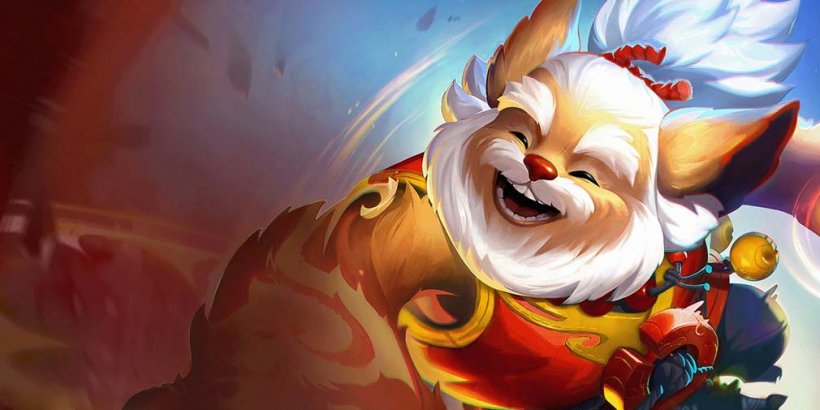 Jan 11,25Teamfight Tactics veröffentlicht Patchnotizen für das letzte Update von Inkborn Fables in Version 14.14 Teamfight Tactics Patch 14.14: Details zum letzten Inkborn Fables-Update enthüllt! Machen Sie sich bereit für das letzte Kapitel von Inkborn Fables in Teamfight Tactics mit Patch 14.14! Riot Games hat spannende Änderungen bekannt gegeben, darunter eine deutliche Erhöhung der Begegnungshäufigkeit und angepasste Begegnungsraten. Vorbereitung
 -
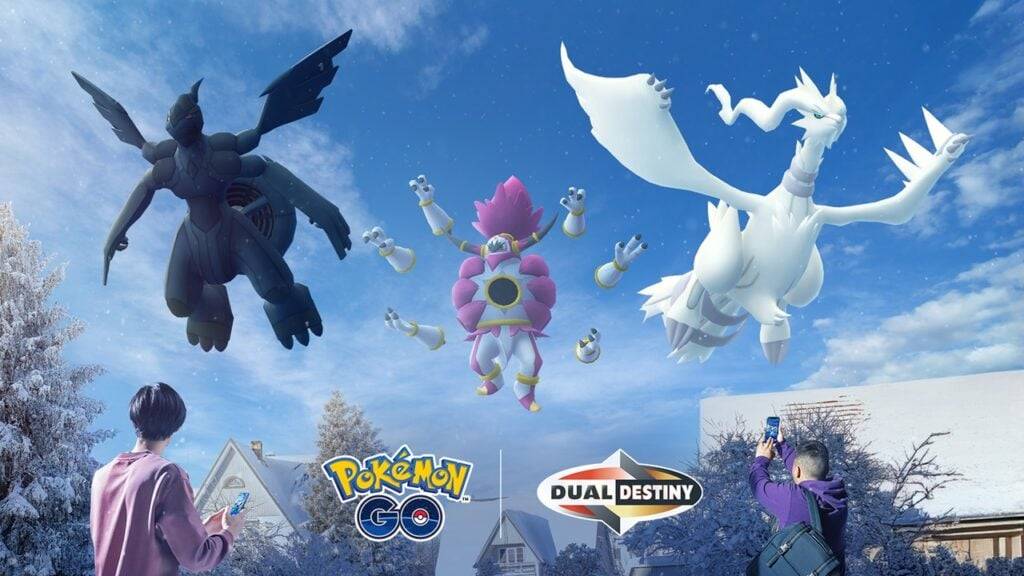 Feb 11,25Pokémon Go feiert das Neujahrs 2025 Pokémon Go go im Jahr 2025 mit einer festlichen Neujahrsveranstaltung und vielem mehr! Wie 2024 endet, feiert Niantic die Ankunft von 2025 in Pokémon Go mit einer besonderen Neujahrsveranstaltung. Dies geht dem Fidough Fetch -Event und dem mit Spannung erwarteten Sprigatito -Community -Tag voraus. Das neue Jahr zu starten ist das
 -
 Jun 14,25Pokémon startet echte Pokédex -Enzyklopädie, die von Ökologen und Behavioristen hergestellt wurden Machen Sie sich bereit, Pokémon-Fans-Die Pokémon-Firma tritt mit einer brandneuen offiziellen Enzyklopädie von Experten-Tierökologen und Behavioristen in die Welt der Wissenschaft ein. Entdecken Sie, was die Pokékologie für Trainer und Forscher gleichermaßen aufwendet.
 -
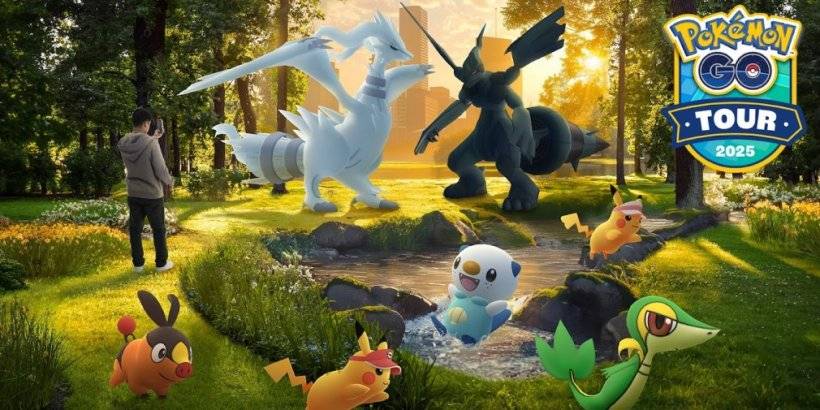 May 05,25Pokémon Go Tour: UNOVA enthüllt aufregende neue Details Machen Sie sich bereit für eine aufregende Reise, während die Pokémon Go Tour: UNOVA nähert und eine Vielzahl neuer Funktionen und Updates für das Spiel einbringt. Egal, ob Sie ein Fan von neuer Musik, exklusiven Avatar -Artikeln oder spannende besondere Forschung sind, es ist für jeden etwas dabei, wenn Sie in die Welt der Unova und ihres PO eintauchen