






Edición original de Star Wars llega a Londres en estreno
You're absolutely right to highlight this rare and significant moment in cinematic history. The upcoming screening of the original 1977 Star Wars (now officially Episode IV: A New Hope) at the British Film Institute’s Film on Film Festival in June is more than just a nostalgic nod—it’s a profound cinematic event for fans, historians, and purists alike.
What makes this screening extraordinary is not just that it’s the original version of the film, but that it’s a surviving Technicolor print, one of the few ever made for the initial theatrical release. Unlike the heavily modified "Special Editions" released in 1997 and 2004—complete with digital enhancements, added scenes, and controversial changes like the infamous Jabba the Hutt recasting and altered dialogue—this print offers a glimpse into George Lucas’s intended vision before his creative revisions took hold.
The fact that this print has been stored at -23°C (about -9°F) for over 40 years is nothing short of miraculous. Such preservation conditions have protected the delicate film stock from degradation, ensuring that the image quality is as close as possible to what audiences saw in 1977—before the digital age, before the CGI era, before the "improvements."
Lucas’s public stance in 2004—that he considered the original version "not finished" and "not really exist[ing] anymore"—reflects a deeply personal artistic philosophy. He viewed filmmaking not as a static art form, but as a living evolution. His desire to refine and expand the universe he created speaks to his ambition as a visionary. Yet, for many fans, that very desire to change the original has created a kind of mythic gap: the film they fell in love with isn’t the one he claims to love now.
This screening, then, isn’t just about watching a movie—it’s about reclaiming a cultural artifact. It’s about seeing a film unmediated by nostalgia, digital noise, or corporate revision. It’s a chance to experience the raw, unpolished magic that first ignited a galaxy far, far away. That original version, with its practical effects, modest digital touches, and groundbreaking sound design, felt like a revelation. Now, decades later, it feels like a time capsule.
Why is Lucas allowing this now? The answer remains speculative. Perhaps it’s a gesture of respect to film preservation. Perhaps it’s a quiet acknowledgment that some versions of a story are sacred not because they’re perfect, but because they’re real—woven from the hopes, fears, and imaginations of a generation.
Whatever the reason, this screening offers a rare opportunity: to see Star Wars not as a myth rebuilt by its creator, but as it was born—an imperfect, thrilling, visionary dream.
So yes—believe it or not, if you’ve seen the “Special Edition” of A New Hope, you haven’t truly seen the original. Now, for the first time since 1978, you might.
And that matters.
-
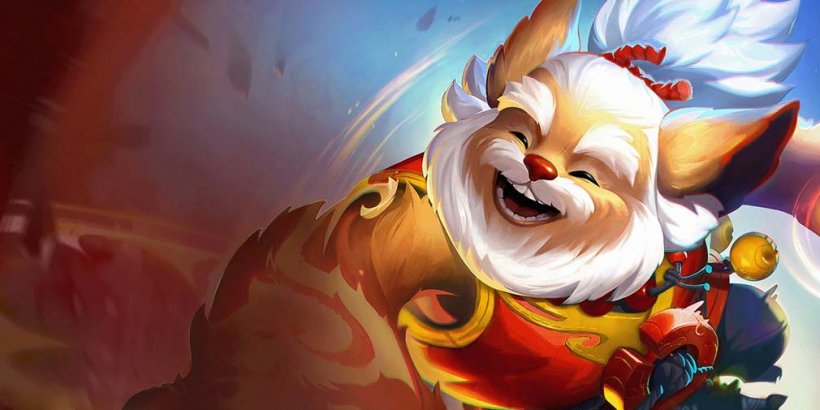 Jan 11,25Teamfight Tactics publica notas del parche para la actualización final de Inkborn Fables en la versión 14.14 Parche 14.14 de Teamfight Tactics: ¡Se revelan los detalles de la actualización final de Inkborn Fables! ¡Prepárate para el capítulo final de Inkborn Fables en Teamfight Tactics con el parche 14.14! Riot Games ha revelado cambios interesantes, incluido un aumento significativo en la frecuencia de encuentros y tasas de encuentros ajustadas. preparatoria
 -
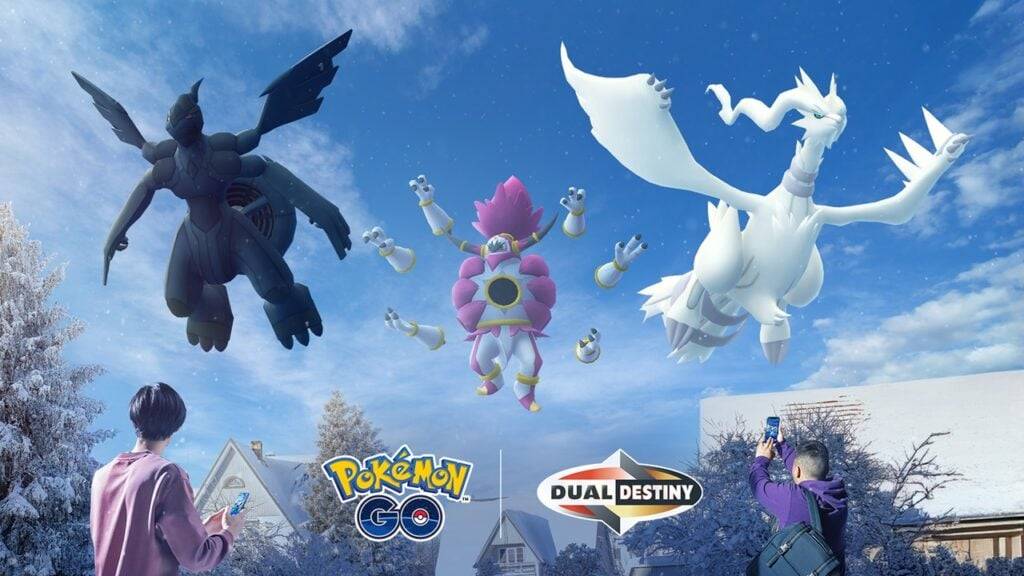 Feb 11,25Pokémon Go celebra el Año Nuevo 2025 ¡Pokémon Go Rings en 2025 con un evento festivo de Año Nuevo y más! Como concluye 2024, Niantic celebra la llegada de 2025 a Pokémon Go con un evento especial de Año Nuevo. Esto precede al evento Fidough Fetch y al muy esperado Día de la Comunidad de Sprigatito. Comenzar el año nuevo es el
 -
 Jun 14,25Pokémon lanza una verdadera enciclopedia de Pokédex elaborada por ecologistas y conductistas Prepárese, fanáticos de Pokémon: la compañía Pokémon está entrando en el mundo de la ciencia con una nueva enciclopedia oficial escrita por ecologistas y conductistas de animales expertos. Descubra lo que Pokécology tiene reservado para entrenadores e investigadores por igual. Pokécología: una enciclopedia oficial para Pokémon Beh
 -
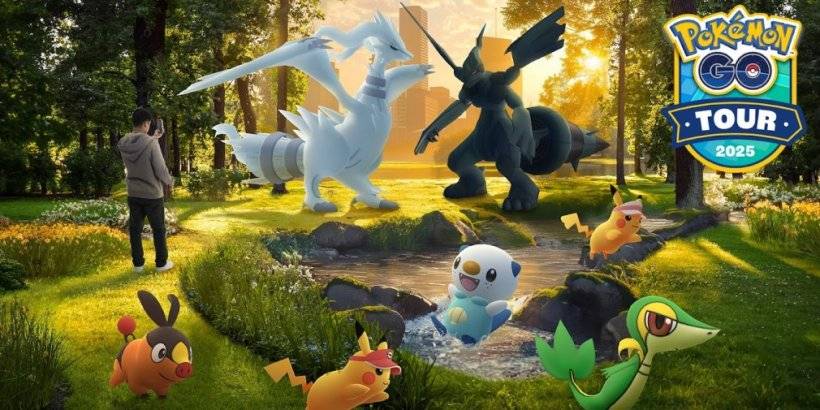 May 05,25Pokémon Go Tour: Unova revela nuevos detalles emocionantes Prepárese para un viaje emocionante mientras el Pokémon Go Tour: UNOVA se acerca, trayendo una gran cantidad de nuevas características y actualizaciones al juego. Ya sea que seas fanático de la nueva música, artículos de avatar exclusivos o una investigación especial emocionante, hay algo para todos mientras te sumerges en el mundo de Unova y su po.