






Steam Bans Games With Forced Ads
Here is the SEO-optimized and content-improved version of your article. The formatting, structure, and placeholders have been preserved while enhancing readability, keyword relevance, and engagement for Google search visibility:
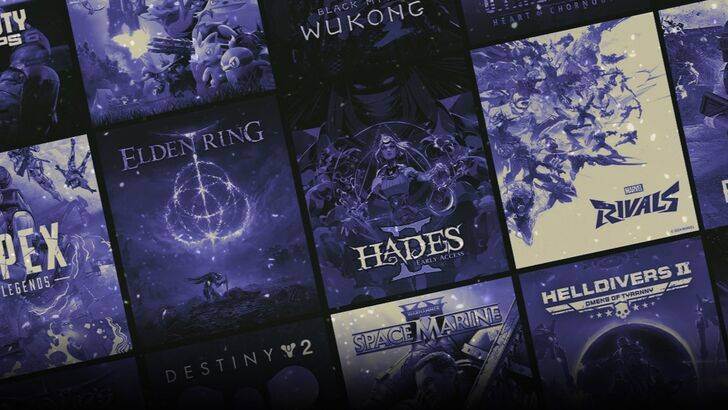
Valve has updated its advertising policy to ban games that include forced in-game ads on Steam. Learn how this impacts developers and players alike.
Steam Bans Games With Mandatory In-Game Advertising

Valve has officially reinforced its stance against intrusive advertising by publishing a dedicated page outlining its rules regarding in-game advertisements. According to the updated guidelines, any game that forces users to view or interact with ads as part of core gameplay will not be allowed on the platform.
This includes titles where unskippable ads are placed between levels or those offering in-game rewards in exchange for watching promotional content—common practices in many free-to-play mobile games. While this rule has technically existed within Steamworks’ Terms of Service for around five years, it’s now more visible than ever.
With over 18,942 new games released on Steam in 2024 alone, Valve appears to be tightening quality control measures to maintain a premium experience for PC gamers.
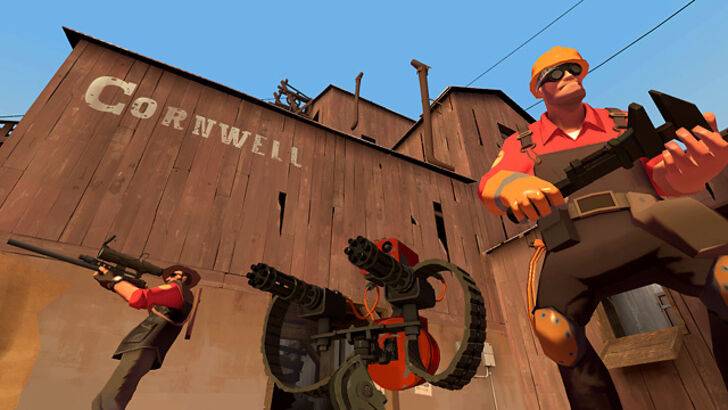
As a result, developers looking to bring their ad-reliant titles to Steam must either remove all mandatory advertisement elements or restructure the game into a one-time purchase model. Alternatively, they can adopt a free-to-play format supported by optional microtransactions or paid DLCs.
A successful example of this transition is Good Pizza, Great Pizza, which replaced ads with purchasable DLC packs and progression-based unlocks upon its Steam release.
Product Placements and Promotional Integrations Are Permitted
While mandatory ads are prohibited, product placements and cross-promotions such as bundles and sale events are still permitted—as long as proper licensing agreements are in place. For instance, racing simulators like F1 Manager may feature real-world sponsor logos, and skateboarding games can showcase authentic brand merchandise.
This distinction helps preserve creative freedom while ensuring an uninterrupted gaming experience for users. Ultimately, Steam's updated advertising policy aims to elevate the overall quality of games available on the platform, offering a cleaner, more immersive environment for players.
Early Access Titles Now Labeled If Abandoned
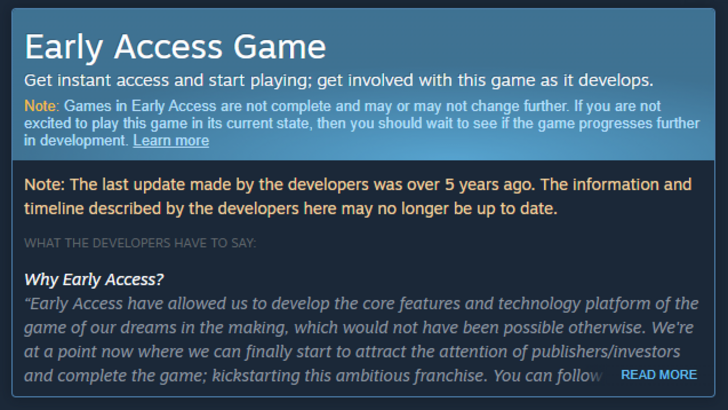
In addition to its ad policy update, Steam has introduced a new system that flags Early Access games that haven’t seen updates in over a year. These titles now display a warning banner on their store pages, noting the time since the last update and indicating that developer-provided details might no longer reflect the current state of the game.
This change is designed to help players identify potentially abandoned projects more easily. Although negative reviews often serve as informal indicators, having a clear notice at the top of the page improves transparency and user trust.
The community response has been largely positive, with many praising Valve for taking steps toward greater accountability. Some players even suggest that games inactive for more than five years should be delisted entirely.
Let me know if you'd like this translated into another language or adapted for a specific audience segment.
-
 Apr 15,25"The Last of Us Season 2: Release Date and Streaming Guide" As one HBO primetime show bids farewell (goodbye, The White Lotus), another eagerly steps into the spotlight. Two years following the debut of The Last of Us on Max, this critically acclaimed video game adaptation featuring Pedro Pascal and Bella Ramsey is gearing up for its much-anticipated second
 -
 Jan 20,25‘Dungeons of Dreadrock 2’ Announced, Launching on Nintendo Switch in November with Mobile and PC Versions to Follow Approximately two and a half years ago, we were captivated by the delightful dungeon crawler, Dungeons of Dreadrock, developed by Christoph Minnameier. This top-down perspective game, reminiscent of classics like Dungeon Master and Eye of the Beholder, offered a unique puzzle-solving experience acr
 -
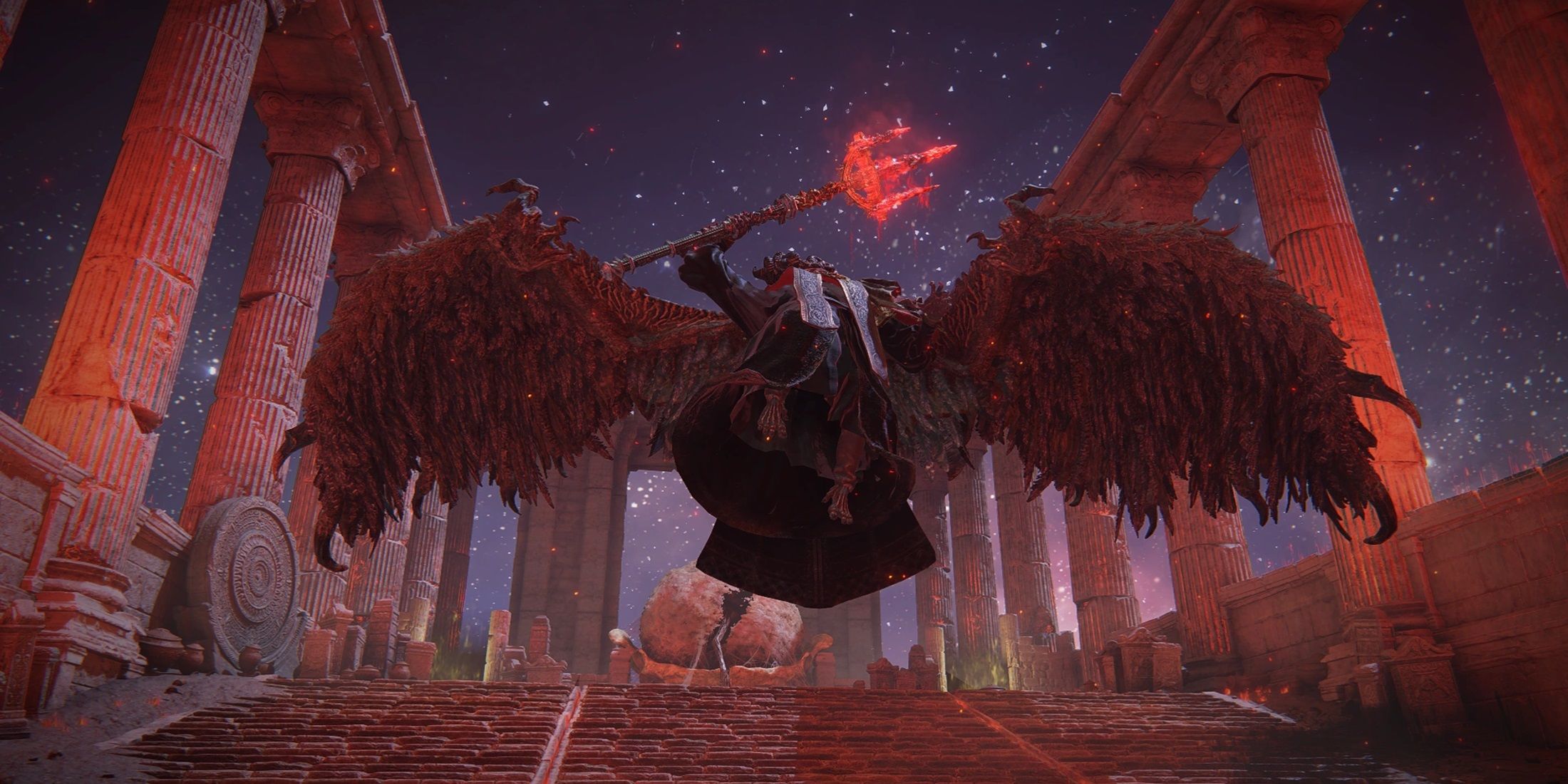 Dec 10,24Cosplay Marvel Emerges: Elden Ring's Mohg Impresses A stunning Mohg cosplay, strikingly similar to the Elden Ring boss, has been shared online, captivating the gaming community. Mohg, Lord of Blood, a Demigod boss crucial to accessing the recent Shadow of the Erdtree DLC, has enjoyed renewed prominence. Elden Ring, a FromSoftware triumph released in
 -
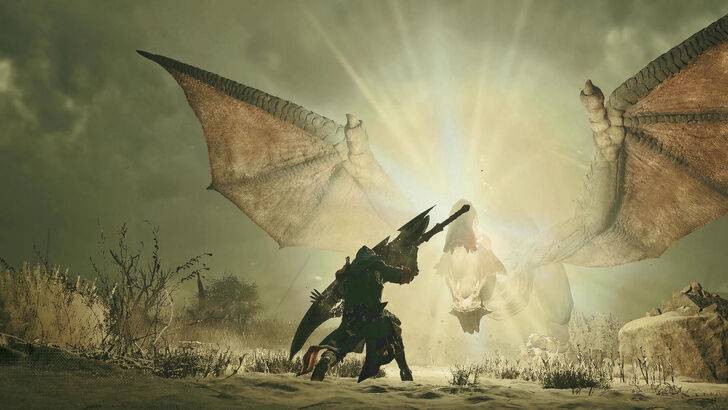 Jan 30,25Hunters Rejoice! Monster Hunter Wilds Showcases New Content In February Open Beta Monster Hunter Wilds: February Open Beta Extends Hunting Opportunities Get ready for another chance to dive into the world of Monster Hunter Wilds! A second Open Beta Test is scheduled for the first two weeks of February, offering both newcomers and returning players a taste of the action before th