






Monster Hunter's Global Domination
Before its global launch, *Monster Hunter Wilds* shattered pre-order records on Steam and PlayStation, mirroring the phenomenal success of its predecessors, *Monster Hunter Rise* (2022) and *Monster Hunter: World* (2018). This achievement firmly establishes Capcom's unique RPG series as a global gaming powerhouse. But this wasn't always the case.
Less than a decade ago, such widespread global popularity would have seemed unimaginable. The 2004 original received mixed reviews. It wasn't until the 2005 PSP release that the series truly exploded—in Japan. For years, *Monster Hunter* epitomized the "bigger in Japan" phenomenon. This article explores the reasons behind this, and Capcom's successful strategy to break into the international market, culminating in the triumphs of *World*, *Rise*, and now *Wilds*.
This is the story of *Monster Hunter*'s journey from domestic darling to global phenomenon.
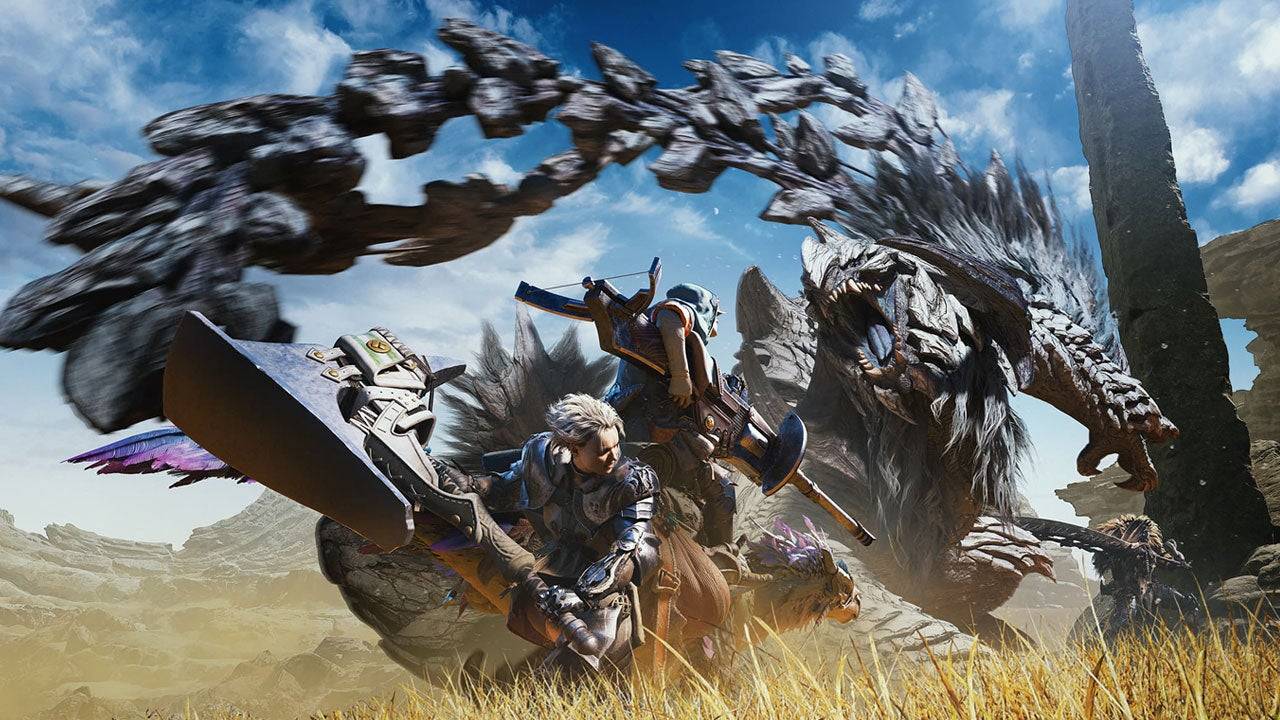
Around the 2016 launch of *Street Fighter 5*, Capcom underwent a significant internal restructuring, preparing for a new generation of games powered by the RE Engine, replacing the aging MT Framework. This wasn't just a technological shift; it signaled a commitment to creating games for a global, not just regional, audience.
“Several factors converged,” explains Hideaki Itsuno, a former Capcom game director known for *Devil May Cry*. “The engine change, and a clear mandate for all teams to create globally appealing games—fun for everyone.”
Capcom's PS3 and Xbox 360 era games often seemed to chase Western market trends, with mixed results. Titles like *Umbrella Corps* and the *Lost Planet* series exemplify this. Capcom ultimately realized the need for broader appeal.
“We focused relentlessly,” Itsuno says, “on creating excellent games with global reach.” The period leading up to 2017, marked by the launch of *Resident Evil 7*, proved pivotal for Capcom's transformation.
*Monster Hunter*'s success perfectly illustrates this new global strategy. While it had a dedicated Western fanbase, it was significantly larger in Japan. This wasn't intentional; several factors contributed.
The PSP release, *Monster Hunter Freedom Unite*, proved crucial. Handheld gaming was always stronger in Japan, boosted by the PSP, DS, and later, the Switch. According to executive producer Ryozo Tsujimoto, Japan's advanced wireless internet infrastructure enabled reliable multiplayer, a key element of *Monster Hunter*'s appeal.
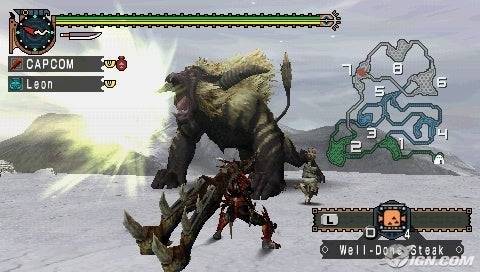
“Twenty years ago, Japan had superior network infrastructure, facilitating online multiplayer,” Tsujimoto explains. “Moving to handhelds expanded the multiplayer player base.”
This created a feedback loop. Japanese *Monster Hunter* best-sellers led to Japan-only content and events, reinforcing its regional image. Western fans watched enviously.
But as Western internet infrastructure improved, Tsujimoto saw an opportunity. *Monster Hunter: World* (2018), released simultaneously worldwide on PS4, Xbox One, and PC, was a game-changer. It offered AAA console-quality visuals, larger environments, and bigger monsters.
“The name, *Monster Hunter: World*, reflects our intention to reach a global audience,” Tsujimoto reveals. Simultaneous worldwide release, eliminating Japan-exclusive content, was crucial. “We realigned ourselves to meet global standards,” he adds.
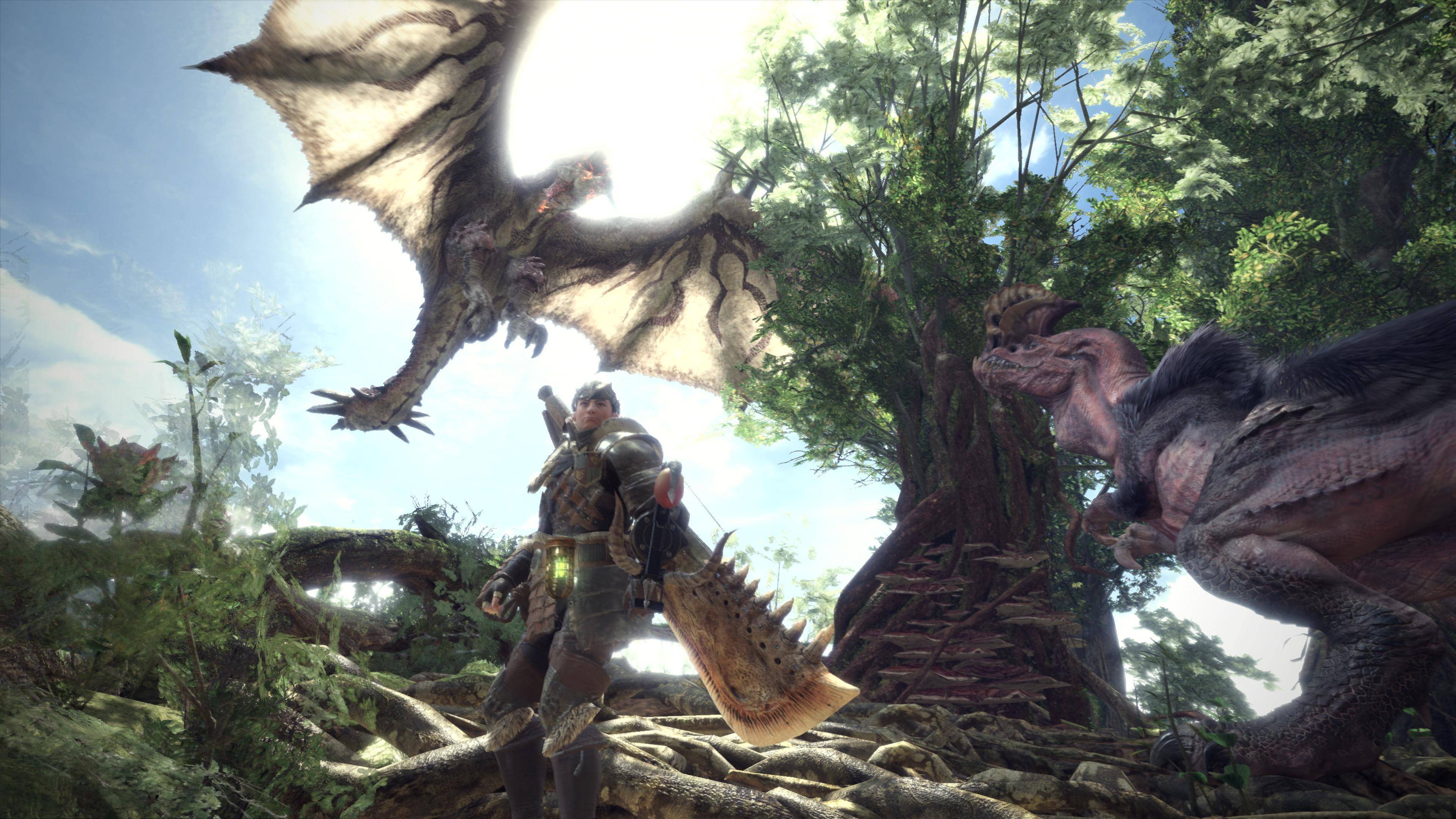
Beyond simultaneous release, Tsujimoto’s team conducted extensive global playtests, refining the game's systems based on feedback. One key change was displaying damage numbers, a small tweak with significant impact.
Previous *Monster Hunter* games sold around 1.3 to 5 million copies. *World* and *Rise* each surpassed 20 million. This wasn't accidental. Capcom didn't alter *Monster Hunter*'s core; instead, they made its unique gameplay more accessible without sacrificing its essence. This approach continues with *Wilds*.
“At its heart, *Monster Hunter* is an action game,” Tsujimoto explains. “The sense of accomplishment from mastering the action is key. We analyze where players struggle, gather feedback, and use this knowledge to improve the experience, as seen in *Wilds*.”
Within 35 minutes of release, *Monster Hunter Wilds* reached 738,000 concurrent Steam players, exceeding *World*'s peak. With positive reviews and promised future content, *Wilds* is poised to surpass even *World* and *Rise*'s achievements, continuing the series' global conquest.
-
 Feb 11,25Pokémon Go Celebrates New Year's 2025 Pokémon Go Rings in 2025 with a Festive New Year's Event and More! As 2024 concludes, Niantic is celebrating the arrival of 2025 in Pokémon Go with a special New Year's event. This precedes the Fidough Fetch event and the highly anticipated Sprigatito Community Day. Kicking off the new year is the
 -
 Jan 11,25Teamfight Tactics drops patch notes for final update of Inkborn Fables in version 14.14 Teamfight Tactics Patch 14.14: Final Inkborn Fables Update Details Unveiled! Get ready for the final chapter of Inkborn Fables in Teamfight Tactics with patch 14.14! Riot Games has revealed exciting changes, including a significant increase in encounter frequency and adjusted encounter rates. Prepa
 -
 Jun 14,25Pokémon Launches Real Pokédex Encyclopedia Crafted by Ecologists and Behaviorists Get ready, Pokémon fans—The Pokémon Company is stepping into the world of science with a brand-new official encyclopedia written by expert animal ecologists and behaviorists. Discover what Pokécology has in store for trainers and researchers alike.Pokécology: An Official Encyclopedia For Pokémon Beh
 -
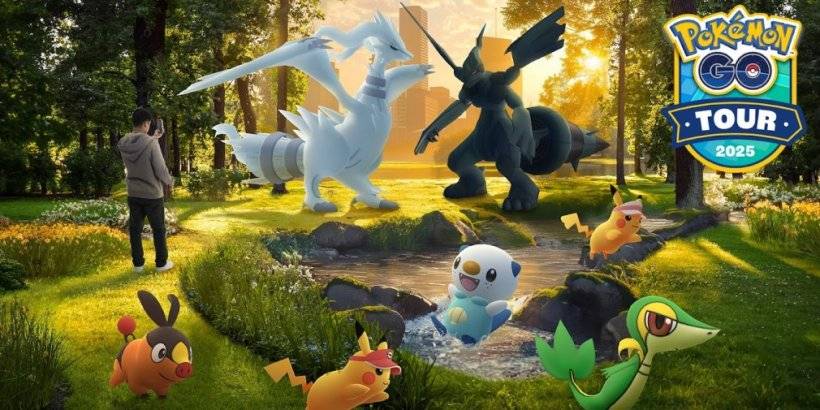 May 05,25Pokémon Go Tour: Unova Reveals Exciting New Details Get ready for an exciting journey as the Pokémon Go Tour: Unova approaches, bringing a host of new features and updates to the game. Whether you're a fan of new music, exclusive avatar items, or thrilling Special Research, there's something for everyone as you dive into the world of Unova and its Po